
7:33 PM 10th June 2026
Westminster Launch Of New National Alliance Calling For Greater Recognition Of Independent Regional Theatre
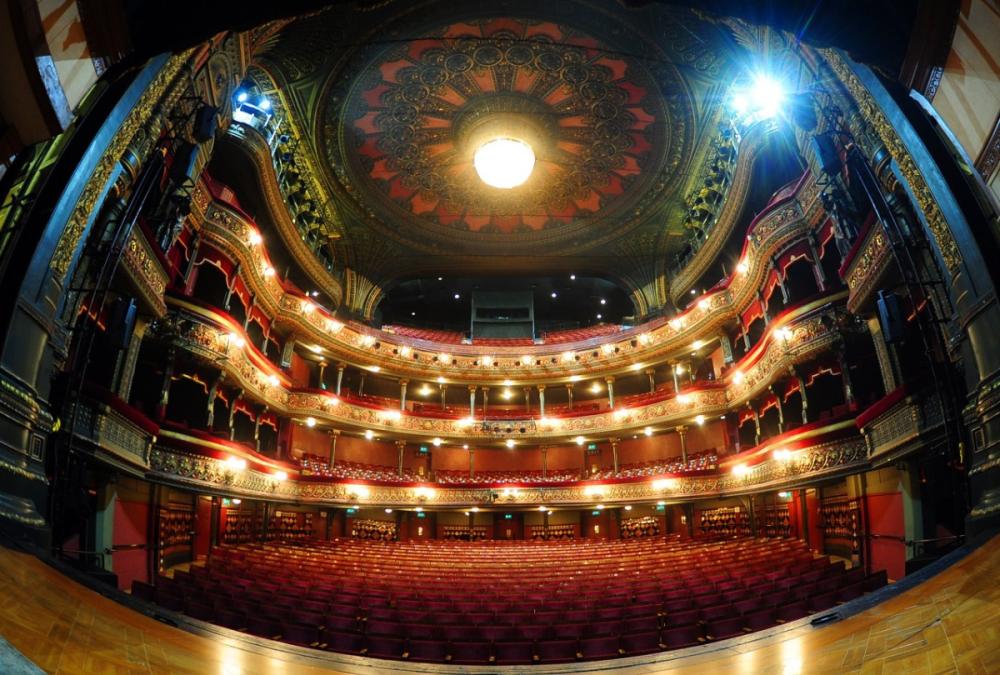
Leeds Grand Theatre auditorium
Photo: Simon Hulme
The event, sponsored by Dame Caroline Dinenage MP, Chair of the Culture, Media and Sport Committee, brought together theatre leaders, parliamentarians and sector stakeholders to mark the formal launch of RITA: a new alliance of independent, not-for-profit regional theatres that are neither subsidised nor purely commercial. Describing themselves as the third way: mission-driven, financially self-reliant and growth engines, they are generating jobs, building skills and measurable economic impact without day-to-day public subsidy and with no banker of last resort.
At the reception, RITA used the platform to make three clear asks: formally recognise the independent not-for-profit model within policy and funding frameworks; establish a regular data-sharing relationship with government so the sector’s contribution can be properly counted and understood; and champion a national co-investment strategy for independent theatre.
The alliance also presented data showing the scale of that contribution. Across its five founding members, RITA represents more than 8,000 theatre seats, more than 2.6 million annual attendances, more than £83 million in gross income, and a projected five-year economic impact of £781 million evidence, the alliance argues, that independent regional theatres are already delivering growth, resilience and public value at scale.
That wider value extends well beyond the box office. RITA’s founding members generate £52 million a year in audience spending for local restaurants, pubs, taxis and hotels, contribute more than £27 million through local supply chains, and support more than £10 million of Arts Council England-funded touring work through their venues, underlining the alliance’s argument that independent regional theatres are not only cultural assets, but vital economic infrastructure in places across the country.
“This launch is about bringing an awareness of RITA’s Third Way model to Westminster and demonstrating how independent theatres are self-sustaining community pillars. RITA’s members are driving growth across the UK, creating jobs outside of London and powering cultural hotspots. I’m excited for the future of this alliance.”

Newcastle Theatre Royal
At Newcastle Theatre Royal, we see every day how investment in the ‘third way’ supports jobs, skills, confidence, and pride of place, helping our city and region to thrive.
Our theatres are more than performance venues; they are cultural hubs that bring people together and strengthen communities. While RITA is not asking for ongoing subsidy, we do need recognition, support and co-investment to future-proof our buildings, so they remain fit for purpose for generations to come.
The national cultural ecology depends on this partnership. While much of the focus is rightly on the work being created, it is important to recognise the theatres that provide the infrastructure that allows it to reach communities. If we value a thriving touring sector, we must also value and invest in the venues that make it possible.