
Andrew Palmer, Group Editor
Rich Pickings And Rueful Choices: Lisa Jewell On Building Harrogate's Biggest Festival Yet
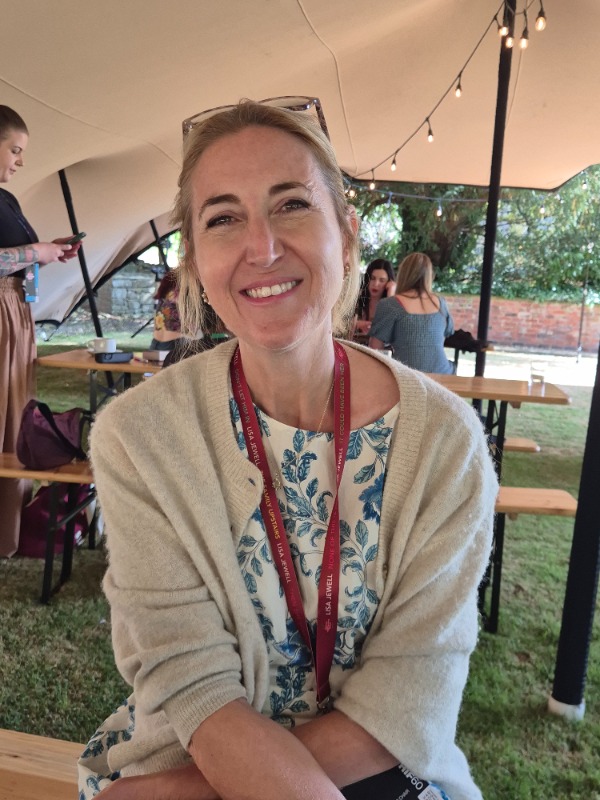
Lisa Jewell
It is a role that sounds, on paper, like a job for an editor with a spreadsheet. In Jewell's hands, it becomes a calling. She talks about the gathered crowd—readers, writers, publishers, the lot—as though they are quietly propping up an entire industry. Growing readerships, building author brands, keeping the whole enterprise relevant: this, she seems to believe, is what a weekend of panels and quizzes and Q&As is really for.
What she wanted, above all, was for the programme to read like a magazine - the kind you open and flick straight to the contents page, already excited by what you find there. Not another parade of panels about sixties spy fiction or writers plugging their latest release, but something with a pulse: real conversations about what it actually means to sit down and be a writer. It's not a hunch. She's noticed it in every Q&A she's sat through - the audience doesn't just want plot talk; they want to know where an author sits to write, what breaks their concentration, and how they survive the parts of the job nobody warns you about. Put that on top, she reasoned, and everything else - the genre chat, the traditional crime-festival fare - can be built in underneath.
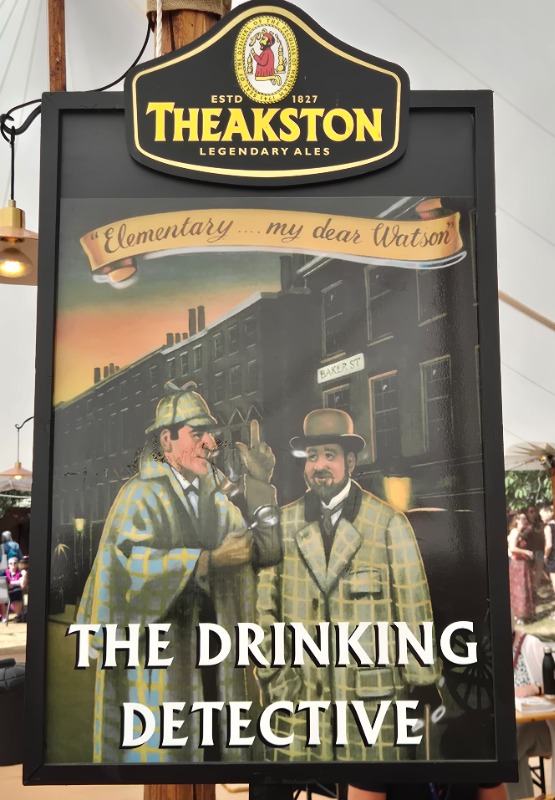
That instinct is exactly what produced the Festival's newest addition, the Swift Half Stage - a nod, cheekily, to the Theakstons' sponsorship that keeps the whole thing afloat. It was born, Jewell says, out of watching the gaps between events rather than the events themselves. At the very first session of this year's Festival, featuring Steve Cavanagh and Nadine Matheson, she noticed a steady trickle of people leaving early - not out of boredom, but to secure a seat at the next thing. A thousand-seat tent, and still people queuing for more. It confirmed something the committee had suspected: some ideas were too slight, too odd, or too loose-fitting for the big stage but far too good to leave out altogether. Now they have somewhere to go.
Ask whether there's a grand unifying theme threading through 2026, and Jewell resists the idea almost before the question lands. There can be a flavour, she allows, a hint of something - never anything as heavy-handed as a theme. She arrived at Harrogate International Festivals, the organisation that actually builds the thing brick by brick, with not much more than a wish list: writers she wanted in the spotlight, like Gillian McAllister, never before a special guest at Harrogate; conversations she was desperate to hear. Fifteen or sixteen panel ideas, by her count, out of the dozens that make up the finished Festival. Everything else belongs to people who understand, far better than she does, what the event actually needs. Her contribution, she says, sits on top of something already built - a finishing touch, not the foundation.
Beyond the festival gates, her own writing carries on regardless. A new novel for 2028 exists, for now, only as faith – no plot, no title, nothing but a hand instinctively finding wood to touch as she says the universe has never let her down yet. The one due in 2027 is further along, though its title remains under wraps until it's officially confirmed. It follows a young marriage undone from the inside: a husband, insecure and impressionable, drawn into the manosphere and its steady drip of instructions – keep her pregnant, keep her home. Coercive control, the theme Jewell has returned to again and again in her fiction, given yet another shape. She had a working title, The Happy Wife, until the moment she finished the manuscript and realised the joke had turned on her: it wasn't right at all.
Which might be the neatest summary of Programming Chair Jewell herself - always slightly ahead of her own certainty, correcting course in real time, and somehow making the whole thing look effortless in the Yorkshire sunshine.
Find out more on Lisa Jewell here