
1:00 AM 20th March 2026
Poland's Alicja
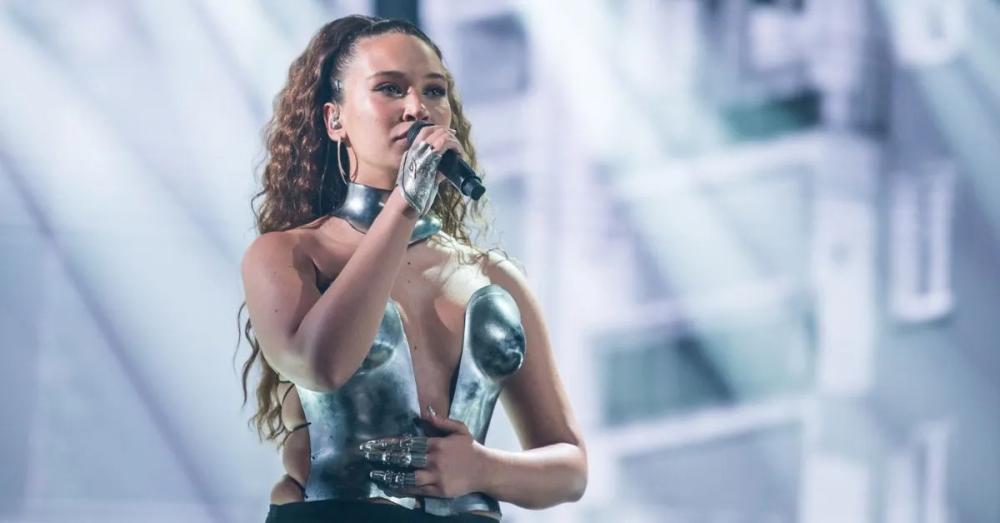
alicja
I’m doing great. I’m actually on my way to meet one of the Eurovision representatives – Satoshi from Moldova, so I’m really happy that even at this early stage I can already connect with other artists and get inspired by their experiences and music.
What was the biggest highlight of your national selection journey?
I would say there were actually a few highlights. The first one was definitely meeting my fans in Kraków. I was so pleasantly surprised by how many people came. Being able to meet them in person and feel their energy made everything suddenly feel very real.
Another highlight was the national final itself. When we reached the stage where the performance was recorded and everything finally came together, I felt really satisfied with how it looked and sounded.
And of course, the final highlight was the moment I found out that I would be going to Eurovision.
Can you tell us a bit about the songwriting process behind your Eurovision entry Pray? How did the song evolve?
The story behind it is not that straightforward. It actually started with the idea of writing a gospel ballad. That’s where the intro comes from. My producer and I were sitting in the studio thinking about creating something with a very church-like gospel atmosphere. She found an organ sample, and I immediately sang the intro melody that eventually stayed in the final version of the song.
But after a while it felt a bit too obvious and maybe even too simple. We like to experiment and challenge ourselves creatively, so we decided to combine the gospel intro with a hip-hop beat.
That’s where the real challenge began. The combination worked, but for a long time I didn’t know how to approach the vocal arrangement. It’s quite an unconventional song, and you can hear that it’s built from several different parts. I wanted each section to tell a slightly different story.
In total we had more than twenty recording sessions. Once we found the melody and structure, we spent a lot of time perfecting every detail.
Most of the gospel choir parts were recorded by me and Weronika. We recorded hundreds of vocal tracks to build that full, rich sound you hear in the final version.
It really took days and nights in the studio to make everything work the way it does now. I’m extremely proud of the result. I’m also very proud that my producer is a woman. In fact, this is only the second Eurovision song in history produced by a woman.
The track was also mastered by Prash - Engine Earz, who has worked with artists like RAYE and Jorja Smith, so it’s a huge honour to collaborate with people who you can truly call your idols.
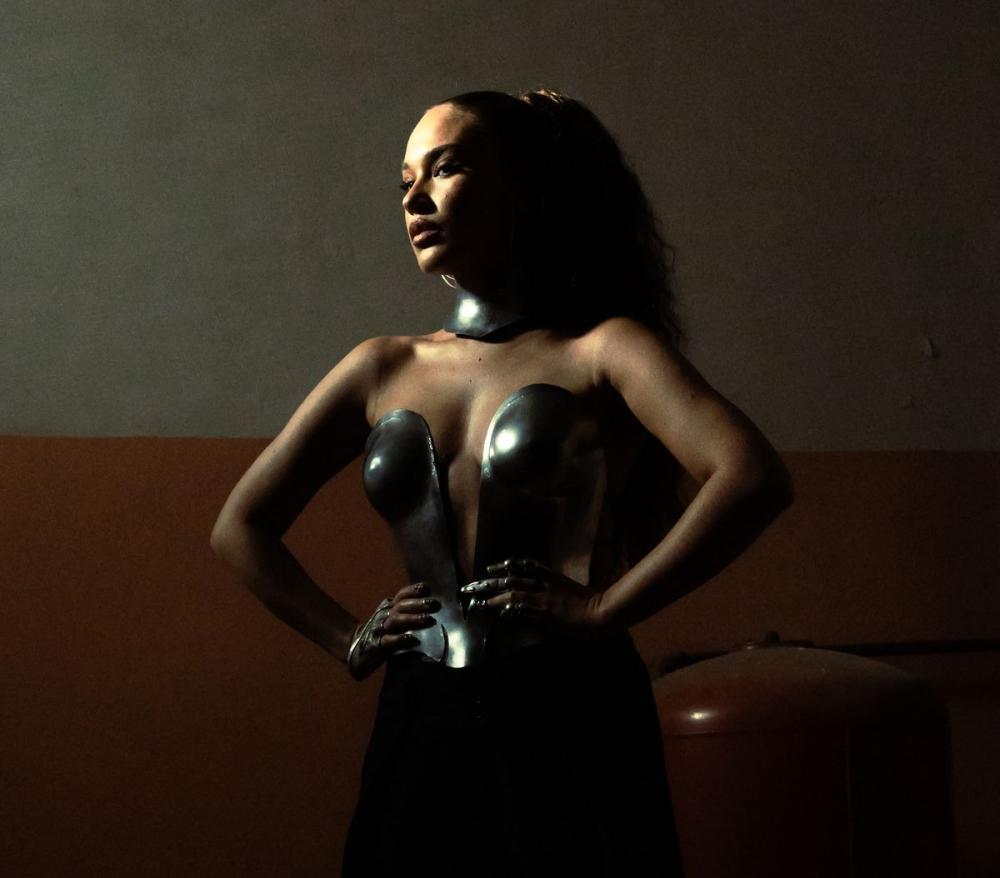
Alicja
Yes, actually even this year. I had another song, a power ballad, that I didn’t originally write with Eurovision in mind. But once it was finished, I thought it could potentially work for the contest as well.
It had a slightly more conventional structure than Pray. I’m sure that song will be released one day, and when it comes out you’ll probably recognise it immediately without me even telling you which one it was.
Have you always been a Eurovision fan?
I used to watch Eurovision with my mum when I was younger. She was a big fan of the contest, and I would sit with her on the couch at home and watch the show together.
But following the competition very closely and analysing everything really started with my first participation.
Who is your favourite Eurovision artist of all time?
That one is easy. If we’re talking about the entire history of Eurovision, one of my absolute vocal icons is Celine Dion.
I love her. I’m so happy that she was once part of Eurovision. She’s an incredible artist. I even had the chance to see her live in Las Vegas, and she has had a huge influence on who I am musically today. I simply couldn’t choose anyone else.
If you had to show someone a Polish Eurovision performance, apart from your own, which one would you pick first?
I would choose Michał Szpak and Color of Your Life.
For me he has all the elements that make a Eurovision performance truly powerful. He delivers incredible vocals, strong emotion and charisma. He’s a real diva on stage and creates a huge moment simply by being present. I love monumental performances like that.
And of course Edyta Górniak as well. She is truly an icon.
After the situation in 2021, did you think you would ever return to Eurovision?
Honestly, at that moment I thought I probably wouldn’t. I was quite hurt and disappointed, and I didn’t think I would have the emotional strength to go through that journey again.
Did you feel the same after the national selections in 2023?
Yes, very similar feelings. But at the same time, the creative process gave me a lot of strength. Through making music I found new energy, and somehow everything started falling into place again.
If you had the chance to go to Eurovision but could only perform either Empires or New Home, which one would you choose?
I think I would choose New Home. I co-wrote that song, and it carries a very beautiful message that is very close to my heart.
Maybe it wasn’t as big or as dramatic as some festival songs, but it was incredibly honest emotionally. And for me, honesty in music is the most important thing.
Who do you see as your biggest competition this year?
I think everyone has equal chances. Eurovision has shown many times that predictions don’t always mean much. Sometimes a song that doesn’t seem like a favourite at first can completely surprise everyone with an incredible performance on stage.
What can we expect from your Eurovision performance?
That it will be completely different from the one you saw in the national selections.
What is your Eurovision ambition?
My ambition is to win the hearts of fans across Europe. But I also hope that my story won’t end with the contest itself.
I hope Eurovision will give me the opportunity to reach new listeners, continue making great music and inspire people around the world.
What are your plans for 2026 outside of Eurovision?
One of my biggest plans is to release my second album, which will be an English-language project released internationally. That’s another dream coming true for me.
I also want to collaborate with new artists, meet new people, travel the world and find an acting agency so I can pursue my dream of acting as well.
There are many things ahead of me, and I truly feel that this year might be my year.
More articles in this series...
Eurovision Semi Final 2Eurovision 2026: Semi-Final One PredictionsAlbums: Eurovision Song Contest 2026Eurovision26 Bandidos De CanteEurovision26: MonroeEurovision26: Søren Torpegaard LundEurovision26: SenhitEurovision26: Veronica FusaroEurovision 26: Lithuania's Lion Ceccah