12:00 AM 23rd July 2026
Opinion
Marching To A New Drum: What Do People Want For The Arts Under The New-Look Government?
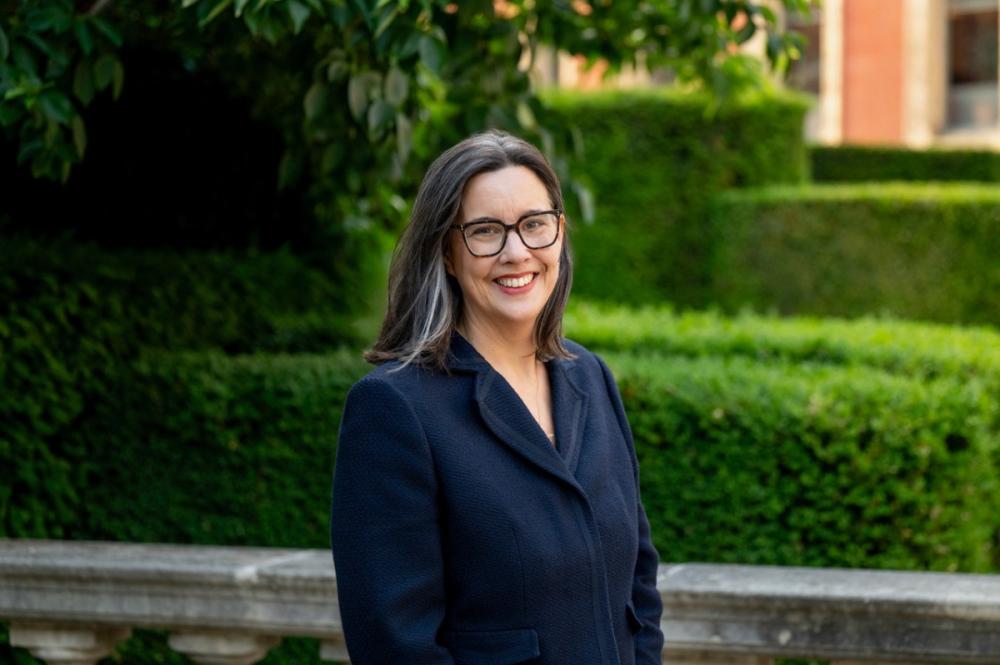
Sarah Bardwell
Photo: Sarah Louise Bennett©
New research published today by the Royal Philharmonic Orchestra (RPO) has found that more people than ever before think today’s Government needs to increase support for the arts. The orchestra’s latest survey of a nationally representative sample of 2,000 adults found that 87% of the nation wanted to see more support for the arts from the Government. This figure has grown significantly since the last general election in 2024, when 76% of those surveyed felt the Government should be doing more to support the country’s culture.
Comparing the public’s cultural priorities since the last General Election in 2024, those surveyed continue to feel strongly about the areas where government help can make the most difference. More than one in four (27%) chose making the arts more accessible to young people from all backgrounds as their top priority (up from 24% in June 2024), while another 25% called for more funding for music and singing lessons in primary schools (up from 21% in 2024), and a further 25% wanted more grants and scholarships for talented young artists (up from 23% in 2024).
People in London (91%) and those under 25 (93%) were the people most likely to want the Government to do more – and the most vocal in wanting to see more support for arts organisations that work with schools and the local community.
Alongside support for music education, those surveyed also wanted to see more financial provision for the arts, from greater funding for multimedia arts projects (13%), to tax incentives for donors to the arts (11%) and initiatives to incentivize corporate sponsorship of the arts (10%). Respondents also wanted more government support for the vital role music plays in UK nightlife, with one in ten (21%) calling for a reduced rate of VAT on tickets for concerts and 19% seeing a need for greater support of grassroots and mid-size music venues. Support for the Arts Council was up, with 18% of those surveyed supporting an increase in government funding for the Arts Council (up from 15% in 2024).
When asked what they regard as Britain's greatest exports, more than half of respondents (52%) chose the country’s music, and 12% called for greater support for arts organisations that tour overseas and share British talent.