12:00 AM 2nd June 2026
In conversation: Ellen Benediktson
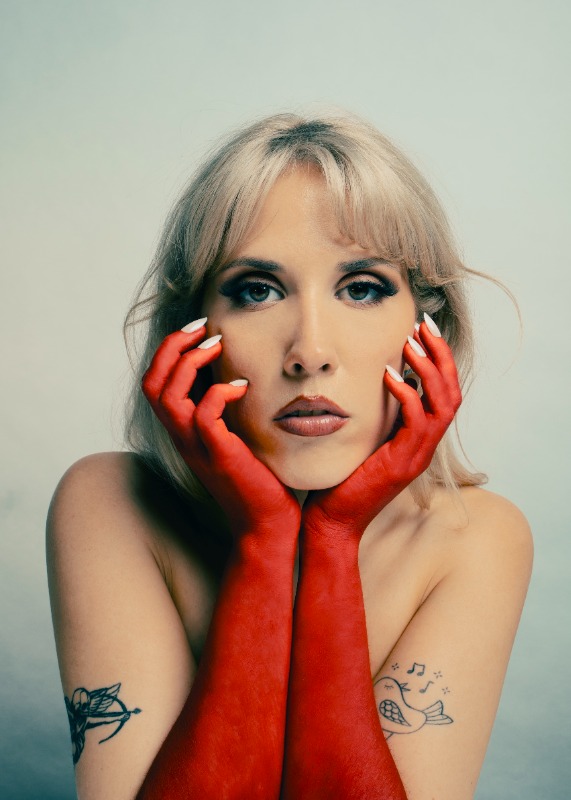
Ellen Benediktson
Photo: Jolina Elish
The EP explores emotional impulsivity in a really unapologetic way. Do you see impulsiveness as destructive, liberating, or something more complicated than that?
I think impulsivity is necessary sometimes, and even bad decisions can most often be fixed, so I think sometimes you’ve just got to live a little and think afterwards.
There’s a recurring tension in these songs between self-awareness and self-sabotage — knowing exactly what’s happening but continuing anyway. Why do you think that emotional contradiction fascinates you so much?
Because I feel like that’s what we all struggle with. Isn’t everything kind of a pull between the rational mind and desire? I’ve always been drawn to art with a little darkness in it. Songs about everything working out perfectly, or people who seem flawless, are completely uninteresting to me. I want music to hit me in an uncomfortably heavy way, something that feels bad in a really, really good way.
Sonically, WID4L feels sharper and more volatile than Good Girl. What changed creatively between those two projects?
I grew even more into the project and it naturally evolved into something that felt even more like me. I definitely tried to push boundaries a bit more on this EP because I’d already laid a foundation with Good Girl. I also felt more confident on this record, which meant I could play around more. That felt really fun and liberating.
Red is such a dominant visual motif throughout this era. At what point did you realise the colour represented the emotional core of the EP?
Red is a really impactful colour, too. It’s also contradictory, symbolising both power and weakness at the same time. It’s love and it’s a wound. Bright and dark at the same time.
The imagery around WID4L is beautiful but also unsettling — almost gothic in places. Were there any films, fashion references, photographers or visual artists influencing this world?
I was inspired by a lot of things — pomegranates, the new Frankenstein film and Lady Macbeth.
.jpg)
Ellen Benediktson
Photo: Jolina Elish
All the time. I know I have.
You’ve said the pain in Only Lovers becomes evidence that something real happened. Why do you think heartbreak can feel strangely addictive?
Heartbreak makes you feel alive, even if it hurts. It makes the love feel really important. I also think there’s this idea that real love has to be a struggle, that if you can overcome the heartbreak it will eventually lead to true love, and all the hurt becomes proof of how much you fought and sacrificed to get there. But obviously that’s not true — love should be easy.
There’s a real physicality to the visuals — the red goo, the smearing, emotions becoming something tangible. Was it important for this project to feel bodily rather than abstract?
Yes, I wanted it to feel like all the emotions were spilling out and for the messiness to feel real and sticky.
You first entered the Eurovision world at 18 with Songbird. Looking back now, what parts of that experience shaped you positively, and what parts did you eventually need to break away from?
Getting the experience of performing in huge arenas in front of millions of people so early on shaped me in a very positive way as a live artist. I feel super comfortable on stage and can’t wait to get back to those big stages. But having a breakthrough moment overnight, without any ties to the music industry beforehand, wasn’t good for me. I got really overwhelmed and isolated. I was so happy it was happening, but at the same time I had no idea how to navigate that new fame. It made me step back from music for a while, which was sad but necessary.
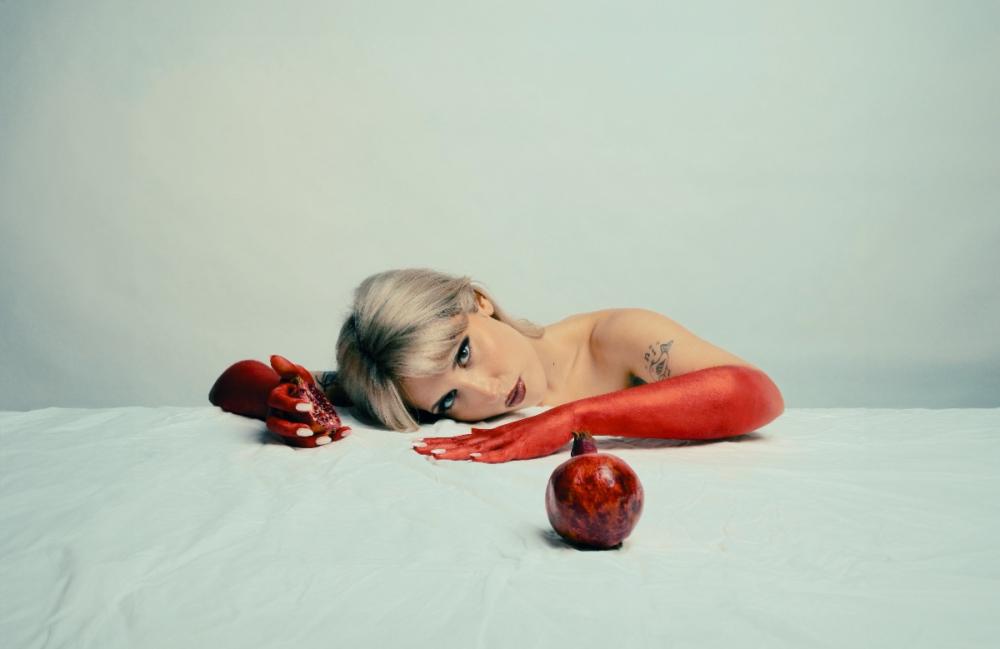
Ellen Benediktson
Photo: Jolina Elish
I honestly didn’t really think about it. We just made what felt natural and good in the moment. But thinking about it now, I do think music in general is leaning rougher at the moment because people want to feel something more raw today.
Artists like Lady Gaga, Hayley Williams and Miley Cyrus are all known for being emotionally and visually uncompromising. What lessons have you taken from them as an artist?
Taking risks and listening to my gut.
There’s a strong sense throughout WID4L that you’re embracing contradiction — confidence mixed with messiness, beauty mixed with discomfort. Do you think audiences connect more deeply with artists when they reveal those uglier emotional edges?
Absolutely. I think there’s an urge for authenticity now more than ever.
The title WID4L itself feels cryptic and slightly confrontational. What does the title mean to you emotionally, beyond the literal words?
It’s a love spell. Try it out. You’ll need a full moon and pomegranates too.
After making a project this emotionally exposed and aesthetically intense, where do you feel it’s left you personally — more understood, more confused, or somewhere in between?
I feel more like myself than ever. I’m also feeling extremely creative right now and really excited to make more music.