

Andrew Palmer, Group Editor
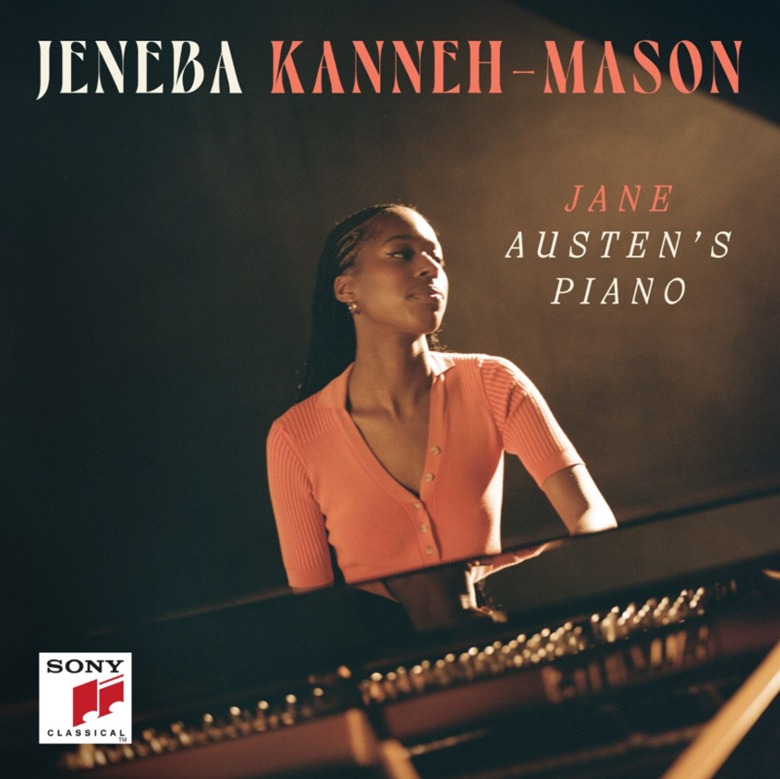
Classical Music:Jane Austen’s Piano
Haydn Piano Sonata in C Major, Hob XVI:35; Handel
Suite in B-Flat Major, HWV 434; Kiallmark Robin Adair (Theme and Variations); Cramer 60 Études for Piano: No. 3 in A Minor; Marianelli Dawn (From Pride & Prejudice Soundtrack)
Jeneba Kanneh-Mason
Sony G010005641311
The trail of discovery proved surprisingly rich. The music books of the Austen family survive from Jane's lifetime, offering tangible clues to her repertoire. Better still, Austen almost certainly attended the Hampshire Music Meeting, an annual festival partly organised by her piano teacher, Dr George Chard, assistant organist at Winchester Cathedral. These connections opened a window onto the composer's musical world.
The result is Jane Austen's Piano, released this week to mark the 250th anniversary of Austen's birth. It features six pieces for six novels, a clever structural conceit that frames works by Handel, Haydn, Kiallmark, and Cramer, composers whose music either appears in the family collection or receives mention in the novels themselves.
Most touching is Haydn's Piano Sonata in C major, copied out in Austen's own hand—clear evidence she performed it. Kiallmark's variations on Robin Adair get name-checked in Emma, while Cramer is the only composer Austen mentions across all her novels. Handel's suites reflect the festival repertoire she would have heard regularly.
Kanneh-Mason's instinct to add Dario Marianelli's Dawn from the 2005 film Pride and Prejudice might raise eyebrows, but it acknowledges how cinema has reshaped our imaginative access to Austen's world.
What elevates this delectable album beyond its clever premise is the sheer quality of Kanneh-Mason's playing.
"When I read her books, I always find myself imagining a soundtrack to each novel," the pianist explains. This thoroughly enjoyable disc offers exactly that—gentle, warm, and utterly alluring. This disc stands out as a highlight of the month and promises endless enjoyment.