

Andrew Palmer, Group Editor
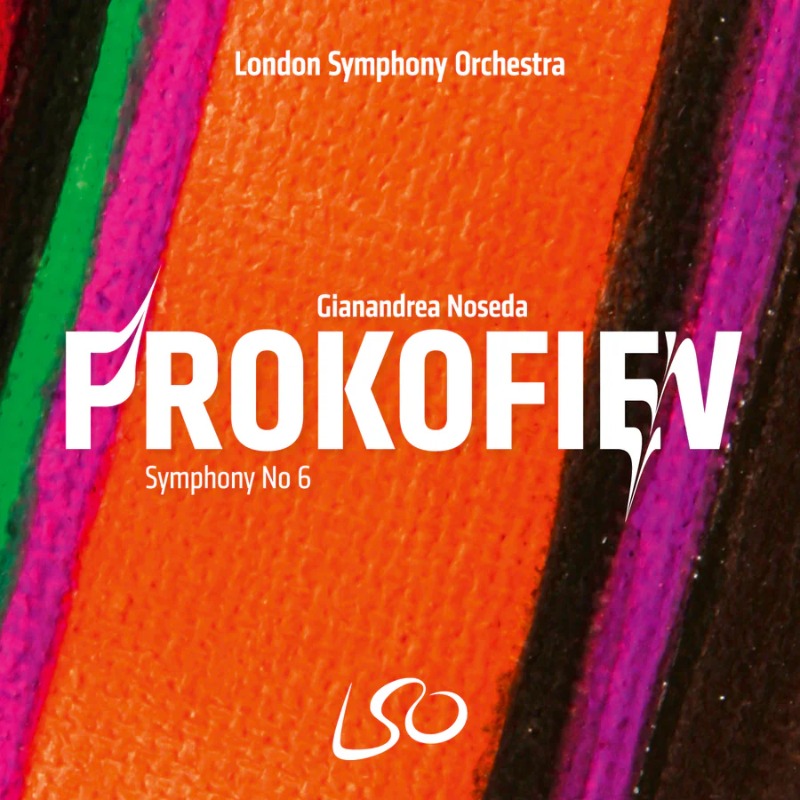
Classical Music: Prokofiev Symphony No. 6 in E flat minor, Op. 111
London Symphony Orchestra/Gianandrea Noseda
recorded in 2023 at Barbican Hall, London
LSO Live LSO0390
More information here
Under Gianandrea Noseda's direction, the London Symphony Orchestra delivers a performance that illuminates both the work's darkness and its moments of transcendent beauty. Noseda demonstrates an acute understanding of the symphony's psychological landscape, pacing the orchestra with careful attention to detail while allowing the music's natural architecture to unfold. His interpretation captures the essential duality of Prokofiev's vision: the melancholic introspection that pervades much of the work, balanced against those fleeting passages where hope pierces through the prevailing gloom.
What emerges most compellingly is the narrative thread that Noseda weaves through the symphony's emotional terrain. His shaping of phrases reveals an innate understanding of Prokofiev's storytelling through purely musical means, allowing the tension and catharsis to build organically. The conductor's straightforward approach serves the music well, avoiding interpretive excess while ensuring that every detail of the score emerges with clarity and purpose.
This recording effectively showcases Prokofiev's Sixth not only as a historical artefact from the Soviet era, but also as a vibrant demonstration of the strength of artistic expression amidst oppression. It deserves a place alongside the finest interpretations of this profound and troubling masterpiece.