
Andrew Palmer, Group Editor
Opinion
A Classic Soundtrack To A Visual Spectacular
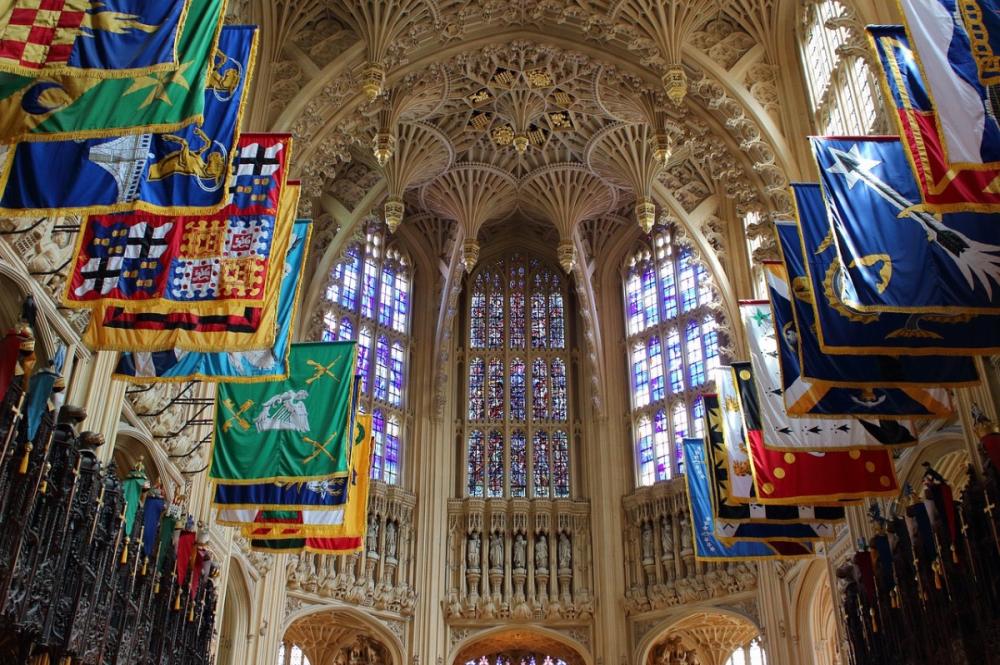
Westminster Abbey. Photo by @levelupfilming on pixabay.com
Nothing was lost in translation and as the world looked on (apparently 20 million viewers in France) we celebrated our magnificent heritage and culture in a ceremony encapsulating 1000 years of history.
The rite of passage was truly majestic; whether it was the heraldry, ritual, pageantry or tradition, there were many moments that we as individuals would find touching and moving. Dame Tanni Grey Thompson commented that she found the singing of the National Anthem particularly poignant. As an organist who infrequently accompanies it I can understand that sentiment.
And it is the music I want to focus on.
As the orb, sceptre and crowns sparkled and glinted, so did the music, lifting our spirits giving us moments of contemplation as well as jubilation.
We were told our King had personally curated the music, although he did not get to hear all the specially composed pieces performed by the bespoke coronation orchestra under the direction of Sir Antonio Pappano and led by Vasko Vassilev. As patron of eight orchestras when Prince of Wales it was a nice touch to invite a selection of players from those ensembles to participate.
The coronation was a resplendent spectacle both visually and aurally. The music celebrated the Baroque with JS Bach, Tudor, Victorian and Edwardian periods (the Edwardian Parry is a favourite of the King and his documentary on the composer is well-worth watching) and made a superb showcase of British music and the wonderful English choral tradition - the envy of many countries across the world. It will surely have been given a boost, if one was needed, after Andrew Nethsingha’s Westminster Abbey Choir performed with aplomb assisted by the Choristers of His Majesty’s Chapel Royal and St James’s Palace who regularly perform alongside the Abbey choristers at national events. They were joined by choristers from Methodist College, Belfast and Truro Cathedral Choirs as well as an octet from the Monteverdi Choir. History was also made with the inclusion of girls’ voices, a joy to see.
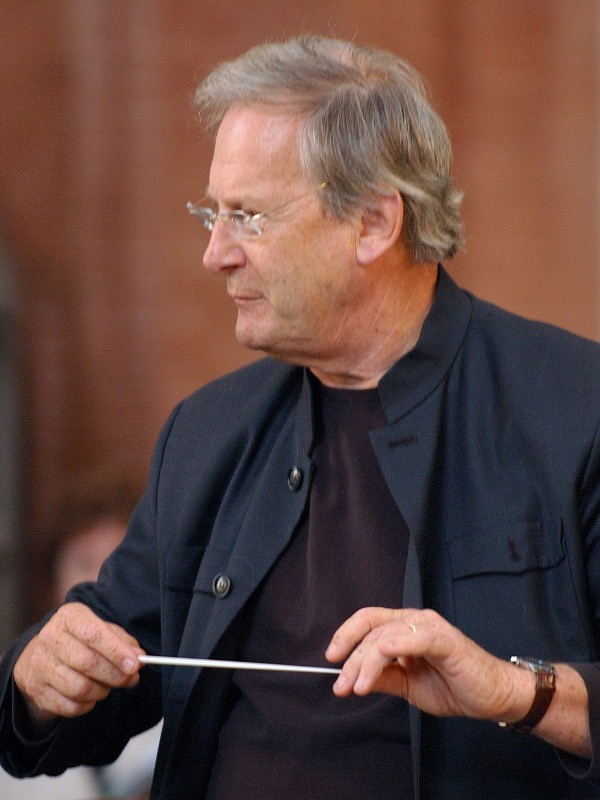
Conductor Sir John Elliot Gardiner. Photo ©Maciej Schumacher
As the Eliot Gardiner’s band exited it was left to Assistant Organist, Westminster Abbey, Matthew Jorysz played Bach’s organ work Allabreve in D a nice segue to Pappano who then picked up his baton.
There were many treats from Holst, Walton, the 1937 Crown Imperial, with its mighty closing chords, Vaughan Williams, and Elgar’s emotive Nimrod. Was it the occasion or Iain Farrington’s arrangement that made it so emotional?
The other great English composer, Purcell was represented by his Trumpet Tune in D, oh how good it is to hear that as it used to be a regular for brides coming down the aisle. Let’s hope we see a revival. Of course where would we be without the English adopted Handel and his Arrival of the Queen of Sheba?
However, it was the new commissions that those listening to BBC Radio 3’s excellent coverage heard.
As the first holder of the post of Master of the King’s Music, Judith Weir’s short Brighter Visions Shine Afar, contained lovely orchestration and one that marvellously captures what Weir wanted: “The opening passage highlights the horns, an instrument historically associated in music and art with nobility.”
If, like me, you had not come across Sarah Class, she is an award-winning composer and singer-songwriter, who contributes scores for film and television and who, in 2020, made the PRS top 100 most influential female Songwriters and composers in PRS’ Women Changing Music Top 100 Chart. Thank goodness the King had the foresight to commission Sacred Fire from her pen. It was delightfully sung by South African soprano Pretty Yende adorned in a fantastic yellow dress as she stood aloft above the congregation. Her superbly performed renditions of Handel’s two arias earlier cemented Yende as one to follow. The warm appreciative applause was well-deserved.
As an organist I know Iain Farrington’s jazzy organ compositions - always a delight to hear - and Voices of the World was characteristic of his style as he took tunes from across the family of nations, all mixed together in a joyful, jazzy, and dance-like character. Farrington succeeded in getting people's toes tapping! Jorysz came into his own and I bet the composition surprised a few of the congregation.
Based on one of His Majesty's favourite hymns, Be Thou my Vision - Triptych for Orchestra was a commission from a trio of composers, Nigel Hess, Roderick Williams, and Shirley J Thompson, who each created contemporary musical responses to the Irish hymn, skilfully woven into a single work and shows how Slane is a great hymn tune to adapt.
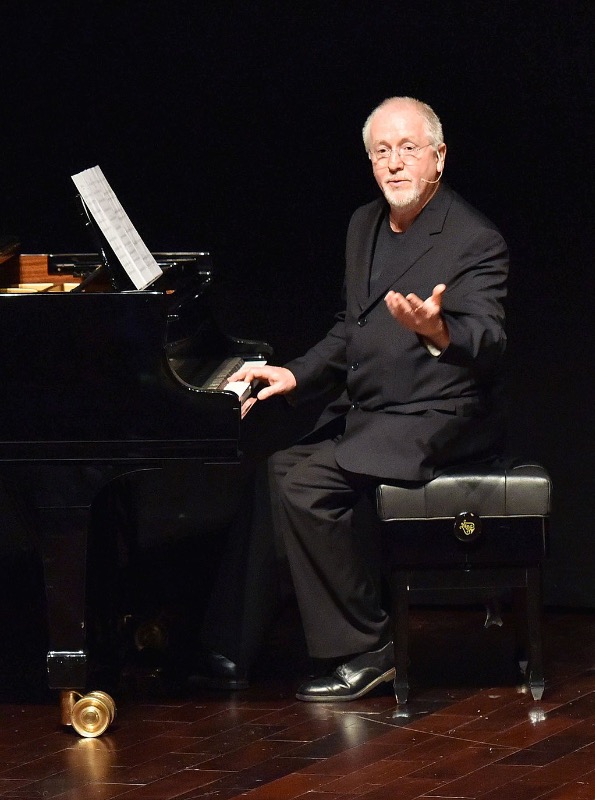
Patrick Doyle. Photo by British Council, Qatar
There were many goosebump moments: the stirring opening to Parry’s magisterial I was glad with the Vivats the Latin acclamations, which the King’s Scholars of Westminster School have traditionally greeted kings and queens on their arrival at the Abbey. Vivat Regina Camilla and Vivat Rex Carolus were acclaimed from high up.
The fanfares performed by the State Trumpeters of the Household Cavalry led by Major Trumpter Julian Sandford and the Fanfare Trumpeters of the Royal Air Force conducted by Wing Commander Piers Morrell were superb and included an excellent arrangement of a fanfare by Richard Strauss and a predecessor of Nethsingha at St John’s College, Cambridge, Christopher Robinson.
Paul Mealor’s Coronation Kyrie marked the first Welsh language performance at a coronation sung by, well who else, Bryn Terfel, who performed with passion. Debbie Wiseman provided a two-part composition of Alleluia (O Clap your Hands) and Alleluia (O Sing Praises), with the latter given an enthusiastic performance by the polished Ascension Choir’s spot on intonation and became the first gospel choir to sing at a coronation.
The Coronation Sanctus by Roxanna Panufnik succeed in bringing a little mystery to proceedings “with an atmosphere of awe and wonderment" as Isaiah describes his vision of heaven.
I am a fan of Tarik O’Regan and in his Agnus Dei there is an alternating verse anthem structure; a nod to Orlando Gibbons, who became Organist of Westminster Abbey exactly 400 years ago. Both these works were reminders that this is a religious ceremony.
As to Lloyd Webber’s anthem Make a joyful noise based on Psalm 98, I wasn’t convinced, rather underwhelmed. I was expecting something in the style of William Mathias' Let the people praise thee, composed for the King's wedding in St Paul's Cathedral.
2023 marks the 400th anniversary of the deaths of William Byrd and Thomas Weelkes so it was fitting they were represented and with a nod to the memory of Prince Philip we heard Byzantine chant from the Greek Orthodox Church superbly performed.
As the two-hour service drew to a close, we got to hear William Walton again, with his splendid and glorious Coronation Te Deum composed for the late Queen’s coronation; it has everything, double choir, trumpets, and quiet reflective moment. All spinetingling stuff, as was the National Anthem.
It all ended with Elgar’s Pomp and Circumstance March 4 and Parry's March from The Birds
It was a feast of music and let's not forget John Rutter who did his bit arranging several of the pieces for Royal Harpist Alis Huws, who had a moment in Sir Karl Jenkins’ Tros y Garreh (Crossing the Stone).
Radio 3 should be congratulated for a great presentation.
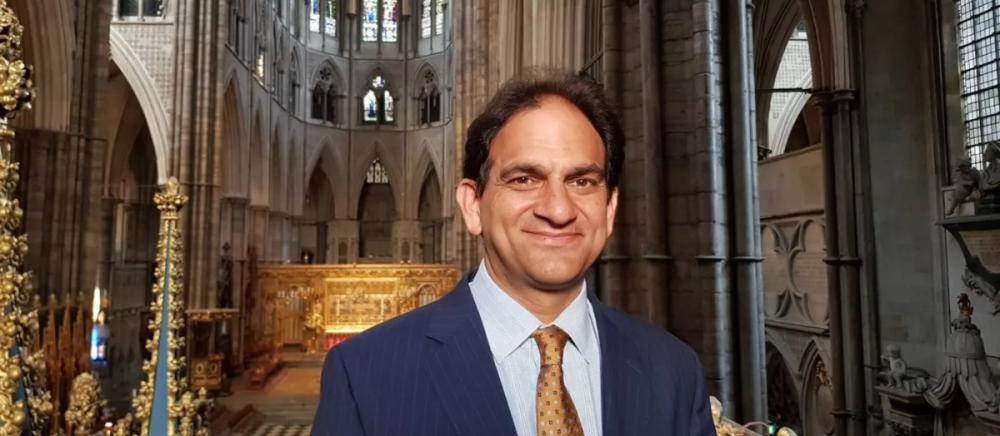
Andrew Nethsingha
It was an extraordinary musical feast and if there was ever a case of royally sticking two fingers up to the BBC and the Arts Council then this was the occasion to demonstrate that classical music lives on to fight another day.